Transparent Review Status
Each guide identifies its sources and whether independent clinical review has occurred
Evidence-Based
Information sourced from reputable medical institutions
Patient-Focused
Clear, accessible information for patients and families
Explore Cancer Types
Comprehensive information on various types of cancer
Mesothelioma
Comprehensive information about mesothelioma, a rare cancer caused by asbestos exposure affecting the lining of the lungs, abdomen, or heart.
Lung Cancer
Essential information about lung cancer types, risk factors, symptoms, diagnosis, and treatment options for patients and families.
Breast Cancer
Complete guide to breast cancer including screening, diagnosis, treatment options, and support resources for patients.
Prostate Cancer
Detailed information about prostate cancer screening, diagnosis, treatment options, and quality of life considerations.
Colorectal Cancer
Information about colon and rectal cancer including screening recommendations, symptoms, and treatment approaches.
Pancreatic Cancer
Understanding pancreatic cancer symptoms, diagnosis challenges, treatment options, and research advances.
Featured Articles
In-depth guides and essential information

HPV Vaccination and Cancer Prevention: Common Questions
Review CDC's HPV vaccination age guidance, understand what the vaccine prevents, and prepare questions about doses and ongoing screening.

ER, PR, HER2, and Triple-Negative Breast Cancer: Reading the Labels
Read ER, PR, and HER2 findings in context, understand triple-negative terminology, and prepare questions about pending or additional tests.

A Lung Nodule on CT: Why Follow-Up Plans Differ
Understand why most lung nodules are not cancer, what shapes a follow-up plan, and how to keep the next scan or appointment from being missed.

Pancreatic Cancer Tests: CT, MRI, Endoscopic Ultrasound, and Biopsy
Understand why pancreatic cancer assessment may involve several tests and how to prepare questions about imaging, biopsy, and pending results.

Newly Diagnosed AML: Organizing the First Week of Care
Organize the first days after an AML diagnosis, including pending tests, urgent contacts, treatment discussions, and practical support.

A Changing Mole: Using ABCDE Clues Without Diagnosing Yourself
Use ABCDE clues to describe a changing spot, understand their limits, and prepare useful information for a dermatologist.

Mesothelioma Prognosis and Survival Rates: Reading Statistics in Context
Mesothelioma statistics describe groups, not individuals. Personal prognosis depends on your unique tumor location, cell type, and health status, requiring direct dialogue with your oncologists.

Mesothelioma Clinical Trials
Clinical trials evaluate new mesothelioma treatments within strict safety guidelines. Patients must weigh the potential for investigative therapies against known standard care options carefully.

Living With Mesothelioma
Mesothelioma management requires a personalized, multidisciplinary approach. By focusing on symptom relief, clear communication with your care team, and support, you can improve daily living.

Lung Cancer Symptoms
Lung cancer symptoms can resemble other conditions. Learn what to report, how symptom assessment differs from screening, and which sudden changes need emergency help.

Lung Cancer Treatment Options
Lung cancer treatment is an individualized process using local and systemic therapies. Success depends on accurate staging, molecular testing, and clear communication regarding treatment goals.

Lung Cancer Stages
This guide details how staging systems, including TNM, evaluate lung cancer spread, assisting patients and providers in developing informed, stage-appropriate treatment plans and clinical expectations.
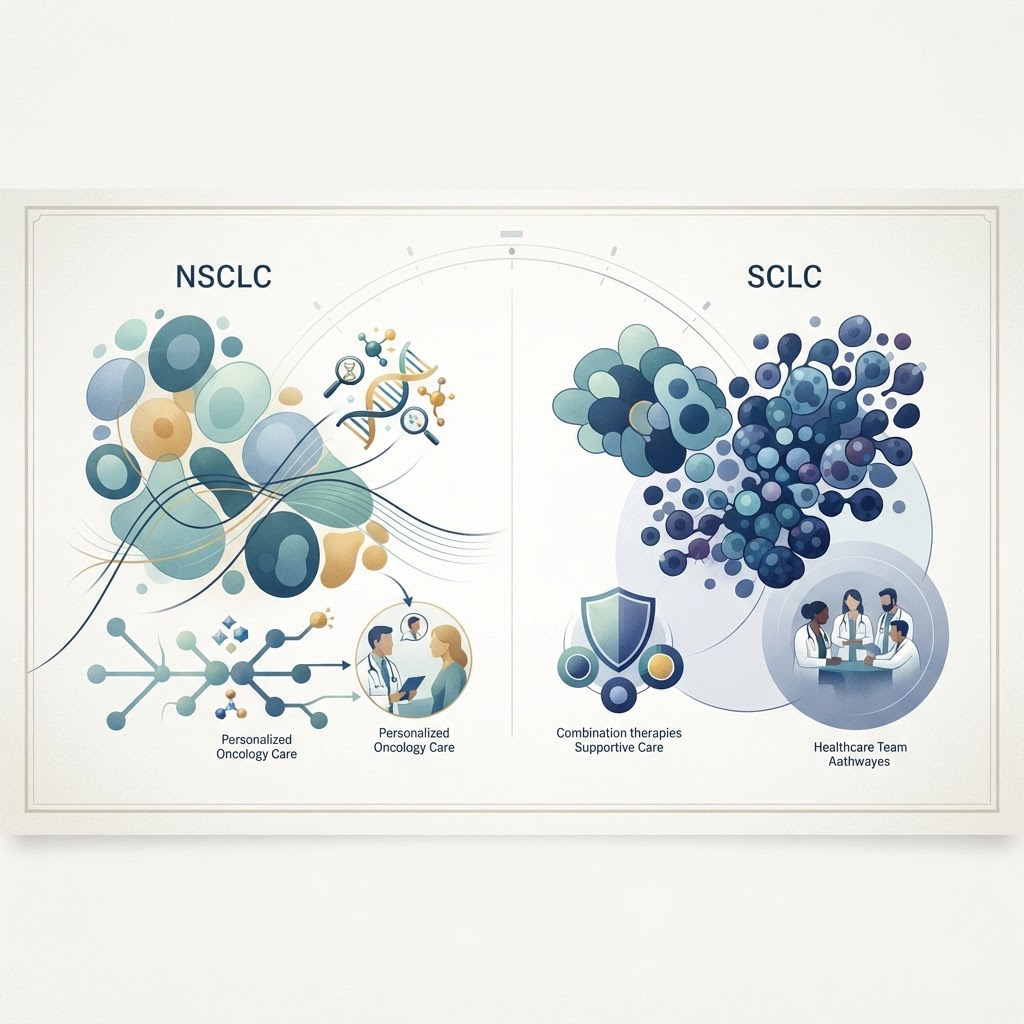
Lung Cancer Prognosis and Survival Rates: Reading Statistics in Context
Prognosis and survival data are population-level tools. Because individual health and tumor genetics vary, these statistics provide helpful frameworks rather than specific personal life expectancy.

Lung Cancer Risk Factors and Prevention: Evidence and Limits
Lung cancer risk factors include smoking, environmental exposures, and genetics. Prevention involves avoiding carcinogens and considering screening for high-risk individuals. Treatment decisions require understanding subtype, stage, and informed consent.