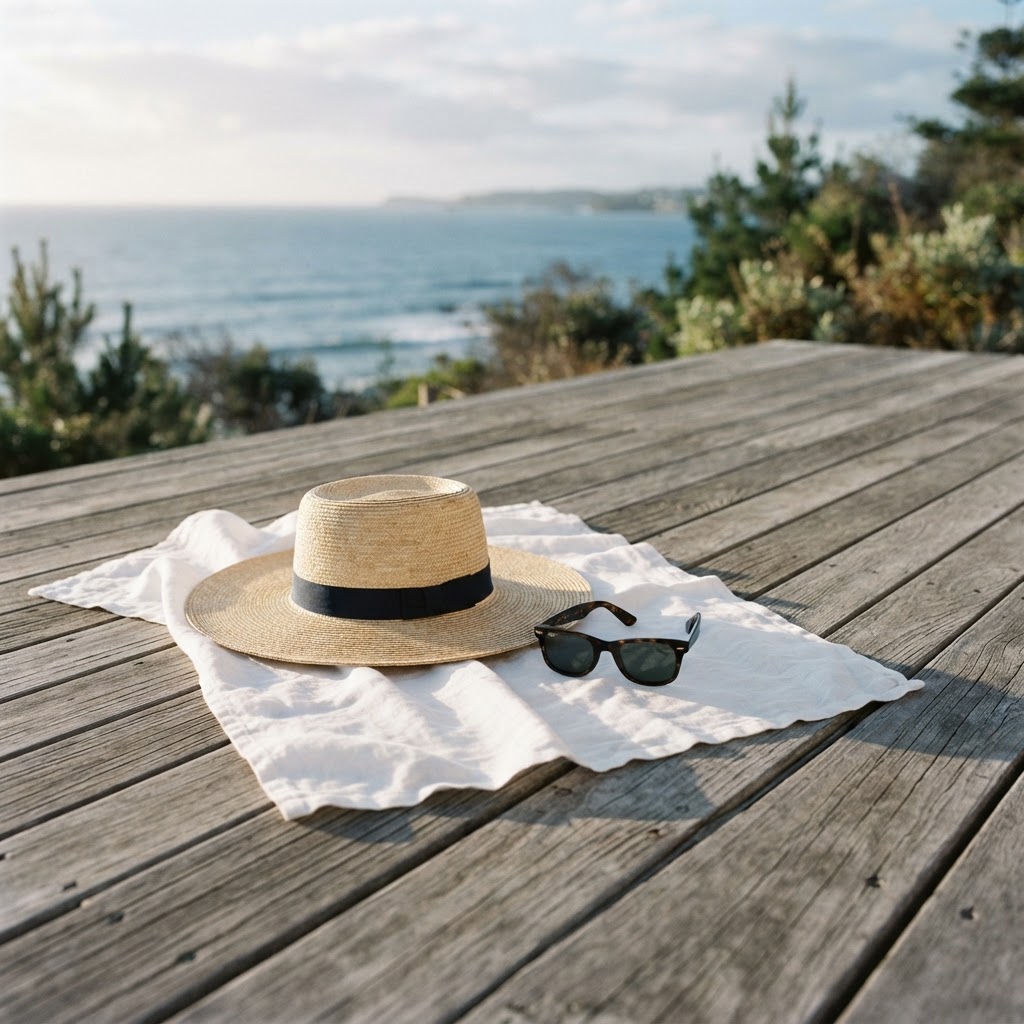
Sun protection works best as a set of habits you can use during ordinary life: walking the dog, working outside, attending a game, or traveling. Sunscreen is one part of that plan. Shade, clothing, timing, and protection for the eyes also matter.
Ultraviolet radiation is not the same as heat. A cool day can still involve meaningful UV exposure, so the temperature alone does not tell you how much protection you need.
Use the UV Index as a planning tool
The UV Index describes the expected intensity of ultraviolet radiation. EPA's UV Index scale explains the categories and recommended precautions. Check a local forecast when planning time outdoors.
A higher reading is a reason to pay closer attention to protection and the amount of time you spend exposed. It does not measure your personal skin-cancer risk or guarantee that an exposure below a certain number is harmless.
For an outdoor appointment or event, note where shade is available and whether the schedule allows breaks indoors. Planning the setting can make protection easier than trying to remember everything once you arrive.
Choose protection you can keep using
Consider a broad-brimmed hat, clothing that covers exposed skin, and sunglasses that provide UV protection. Shade is useful, but reflected light and changing sun angles can leave areas exposed.
A practical example is a long afternoon at a sports field. A covered seating area, a light long-sleeved shirt, a hat, and a plan for sunscreen reapplication are more manageable than relying on one application before leaving home.
Avoid tanning beds as a way to prepare for sun exposure. A tan is not a reliable protective strategy.
Read the sunscreen label
The American Academy of Dermatology recommends a broad-spectrum, water-resistant sunscreen with SPF 30 or higher. Broad-spectrum protection includes UVA and UVB. Water resistance has a specified duration; it does not mean waterproof.
Follow the product's application and reapplication directions, including after swimming or sweating. Check commonly missed areas such as ears, neck, tops of feet, and exposed parts of the scalp.
If a product irritates your skin or is difficult to use, ask a dermatologist about alternatives. The most expensive product is not automatically the one that best fits your routine.
Adjust the plan during cancer treatment
Some medicines and treatments can affect skin sensitivity or create special care needs. Ask the oncology team what to use on treated or irritated areas and whether your medicines require additional sun precautions.
For radiation-treated skin, follow the radiation team's instructions rather than applying a new product without checking. A question about a specific body area is more useful than a general assumption that all sunscreens are suitable.
Keep sun protection in the same bag as the items you already carry. Refill it when you check medications or travel supplies so the plan remains available.
Keep prevention and skin assessment distinct
Sun protection does not eliminate skin-cancer risk. Continue to seek assessment for a new, changing, bleeding, or nonhealing spot rather than assuming sunscreen makes it safe.
At the next skin visit, ask about your personal risk and whether additional monitoring is appropriate. Prevention is a routine to reduce exposure; a suspicious change is a separate reason to involve a clinician.