Understanding lung cancer involves recognizing its distinct subtypes and primary risk factors. While smoking is the leading cause, environmental exposures and genetic predispositions also contribute significantly. Focusing on prevention strategies, such as avoiding carcinogens and considering screening for high-risk individuals, is crucial for public health.
Distinguishing Lung Cancer Types
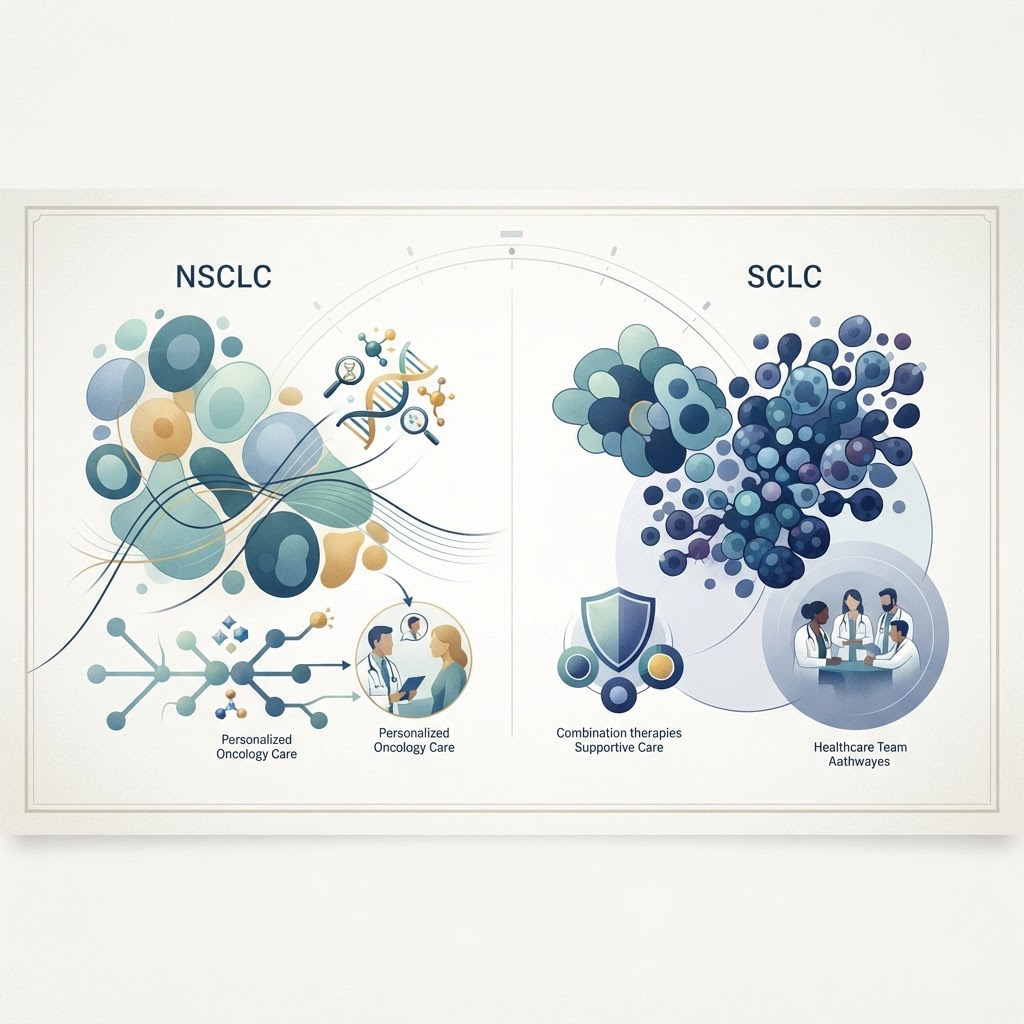
Lung cancer presents in two main forms: non-small cell lung cancer (NSCLC) and small cell lung cancer (SCLC). NSCLC, including subtypes like adenocarcinoma and squamous cell carcinoma, is more common. SCLC is known for its rapid growth and tendency to spread early.
These classifications are vital for determining treatment paths, which can involve surgery, chemotherapy, targeted therapy, or immunotherapy. However, understanding the shared and distinct risk factors is fundamental for both prevention and management of either type.
The Dominant Role of Tobacco Use
Tobacco smoking is the most significant risk factor for lung cancer, responsible for a vast majority of cases. The risk escalates with the duration and intensity of smoking. Quitting smoking is the single most effective step in reducing lung cancer risk.
The dangers extend beyond active smoking. Exposure to secondhand smoke, the inhalation of smoke exhaled by others or from a burning tobacco product, is also a confirmed cause of lung cancer in nonsmokers and should be actively avoided.
Environmental and Occupational Hazards
Exposure to environmental and occupational carcinogens contributes substantially to lung cancer risk. Radon gas, a naturally occurring radioactive element, is a leading cause among nonsmokers. Testing homes for radon and mitigating any detected buildup is a key prevention measure.
Workplace exposures to substances like asbestos, arsenic, chromium, nickel, and silica also elevate risk. Prolonged exposure can damage lung tissues, leading to cellular changes that may progress to cancer. Protective measures in these environments are essential.
Genetic Predisposition and Family History
While most lung cancers arise from acquired genetic mutations due to environmental damage, some individuals may have an inherited genetic susceptibility. This predisposition can make them more vulnerable to the carcinogenic effects of exposures like smoking or radon.
Research into lung cancer occurring in families suggests a genetic component in a subset of cases. Understanding your family history of lung cancer can prompt discussions with a healthcare provider about personalized risk assessment and potential screening options.
Risk Reduction and Prevention Strategies
Preventing lung cancer primarily involves minimizing exposure to known carcinogens. This includes quitting tobacco use, testing homes for radon, and ensuring safety protocols in occupations with potential carcinogen exposure. These actions directly address the most significant risk factors.
While a healthy diet and regular physical activity are important for general well-being, their direct impact on lung cancer prevention is less definitively established compared to avoiding tobacco and environmental toxins. Focus remains on known modifiable risks.
Lung Cancer Screening for High-Risk Individuals
Lung cancer screening, typically using low-dose computed tomography (LDCT), aims for early detection in individuals at high risk. Screening is not a substitute for prevention but can identify cancer at an earlier, more treatable stage.
Eligibility for screening is based on specific criteria, usually involving age and a history of significant tobacco use. Discussing your risk factors with a healthcare provider is the best way to determine if you meet the criteria for screening.
Clarifying Staging and Biomarkers
Diagnosis and staging investigations for lung cancer can occur concurrently. Biopsy confirms cancer presence, while staging determines its extent. Pathologic staging, which uses tissue samples, provides detailed information but isn't always definitively more accurate than imaging alone.
Biomarker testing is guided by specific lung cancer subtypes and clinical context. Not all lung cancers have an actionable target, and responses to targeted therapies vary. Understanding these nuances is part of informed treatment discussions.
Understanding Treatment and Informed Consent
Treatment options for lung cancer depend on the type, stage, and individual health factors. Clinical trials explore new treatments, but participation involves understanding potential benefits, risks, and uncertainties. No treatment or trial guarantees specific outcomes or safety.
Informed consent is critical. It ensures individuals understand potential tradeoffs, the experimental nature of some treatments, and that standard care also carries inherent uncertainties. Discussions with healthcare providers should clarify these aspects for each individual situation.
Questions to bring to your care team
- Have you discussed your smoking history and potential cessation resources with your doctor?
- Have you inquired about testing your home for radon gas?
- Do you understand your occupational exposures and necessary safety precautions?
- Have you reviewed your family history of lung cancer with your healthcare provider?
- Have you discussed with your doctor whether you meet the criteria for lung cancer screening?
Related guides
- A Lung Nodule on CT: Why Follow-Up Plans Differ
- Molecular Testing in Lung Cancer: Tissue, Blood Tests, and Treatment Choices
- Lung Cancer Screening: Low-Dose CT and Who May Benefit