Lung Cancer
Essential information about lung cancer types, risk factors, symptoms, diagnosis, and treatment options for patients and families.
12 guides · Educational information with linked sources

Living With Lung Cancer
Living with lung cancer requires a multidisciplinary team approach. Focus on symptom management, informed decisions about treatments, and maintaining quality of life through every stage.
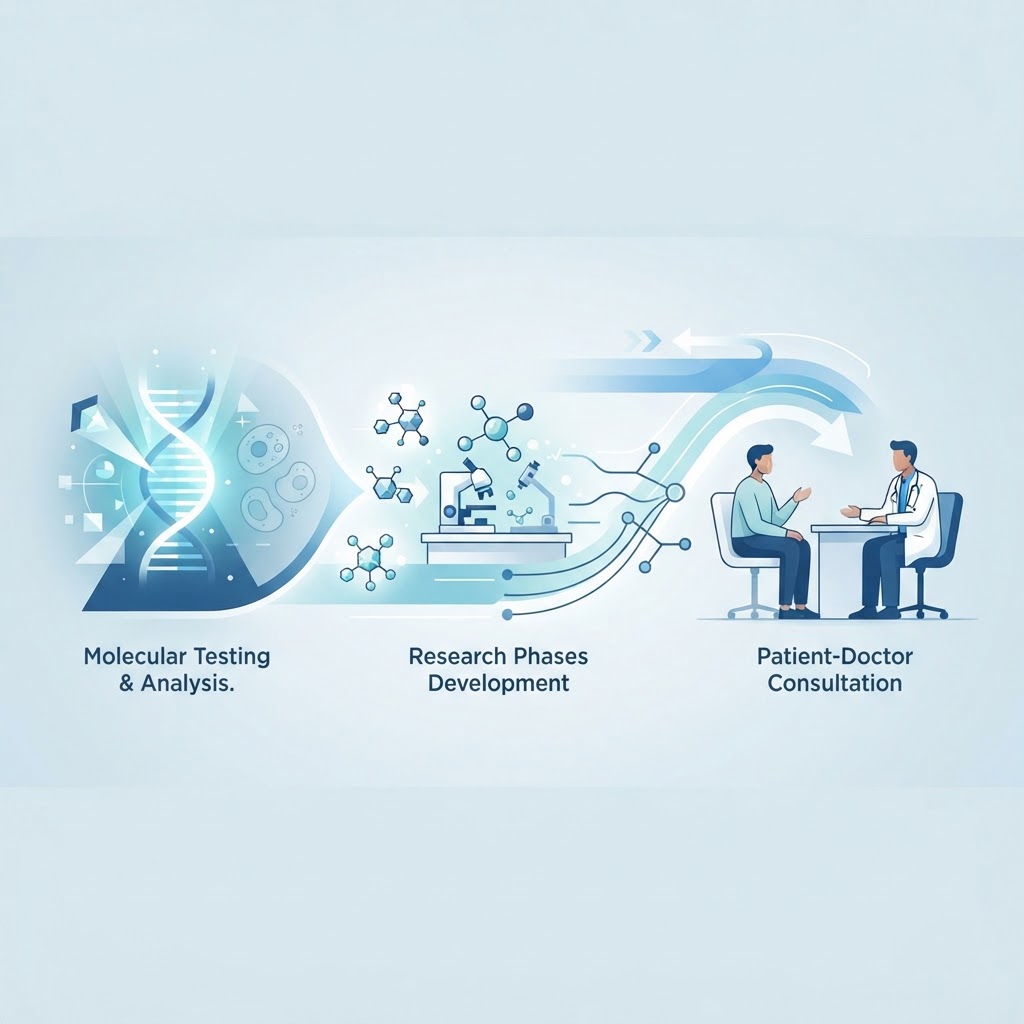
Lung Cancer Clinical Trials
Lung cancer clinical trials represent an important avenue for patients seeking innovative treatments. Understanding trial phases, biomarker relevance, and practical considerations is key to informed decision-making.

Lung Cancer Risk Factors and Prevention: Evidence and Limits
Lung cancer risk factors include smoking, environmental exposures, and genetics. Prevention involves avoiding carcinogens and considering screening for high-risk individuals. Treatment decisions require understanding subtype, stage, and informed consent.
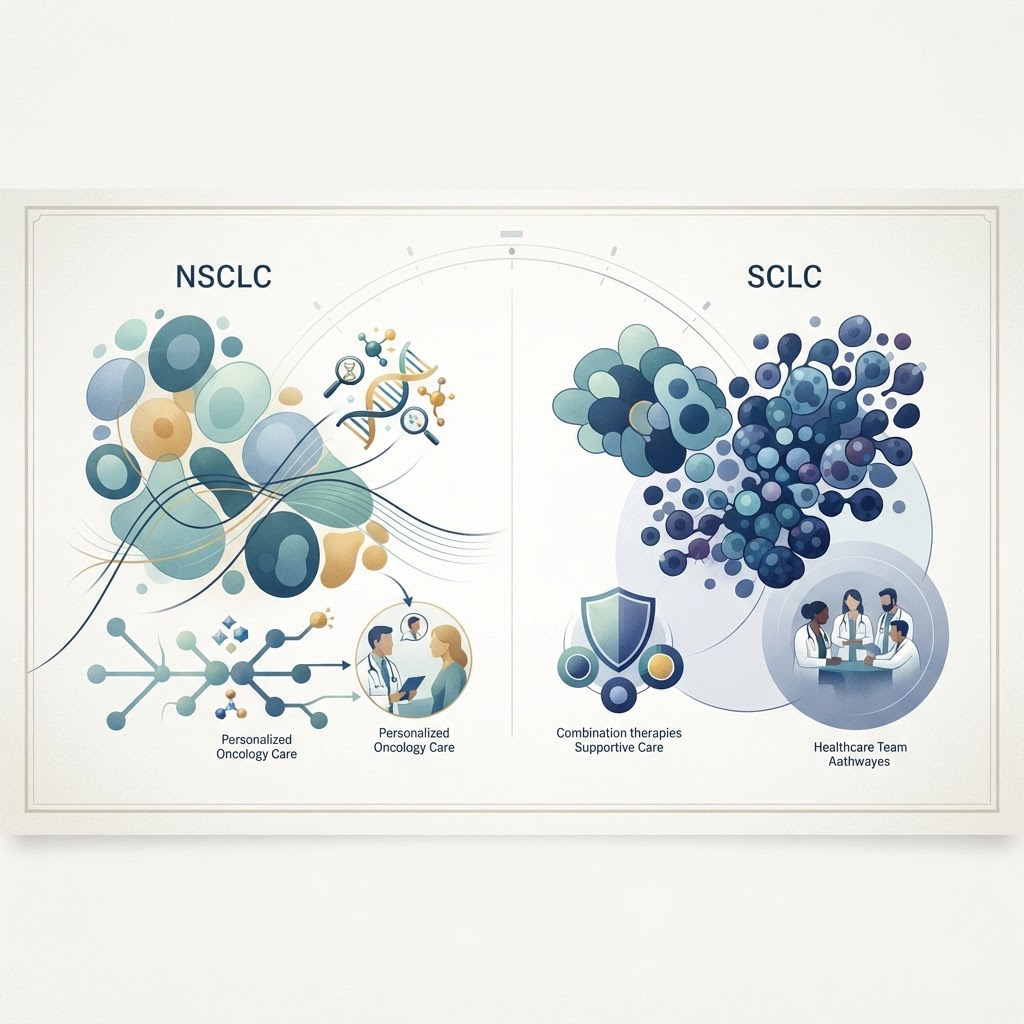
Lung Cancer Prognosis and Survival Rates: Reading Statistics in Context
Prognosis and survival data are population-level tools. Because individual health and tumor genetics vary, these statistics provide helpful frameworks rather than specific personal life expectancy.

Lung Cancer Stages
This guide details how staging systems, including TNM, evaluate lung cancer spread, assisting patients and providers in developing informed, stage-appropriate treatment plans and clinical expectations.

Lung Cancer Treatment Options
Lung cancer treatment is an individualized process using local and systemic therapies. Success depends on accurate staging, molecular testing, and clear communication regarding treatment goals.

Lung Cancer Symptoms
Lung cancer symptoms can resemble other conditions. Learn what to report, how symptom assessment differs from screening, and which sudden changes need emergency help.

Molecular Testing in Lung Cancer: Tissue, Blood Tests, and Treatment Choices
Understand the role of molecular testing in lung cancer care and ask about tissue samples, blood tests, pending results, and treatment decisions.

A Lung Nodule on CT: Why Follow-Up Plans Differ
Understand why most lung nodules are not cancer, what shapes a follow-up plan, and how to keep the next scan or appointment from being missed.

Small Cell and Non-Small Cell Lung Cancer: Why the Difference Matters
Learn how the pathology diagnosis shapes staging, testing, and treatment discussions.

Lung Cancer Screening: Low-Dose CT and Who May Benefit
Review the USPSTF eligibility criteria and the difference between screening and evaluating symptoms.

Lung Cancer: Diagnosis, Testing, and Treatment Conversations
A practical introduction to the information needed after a lung cancer finding.